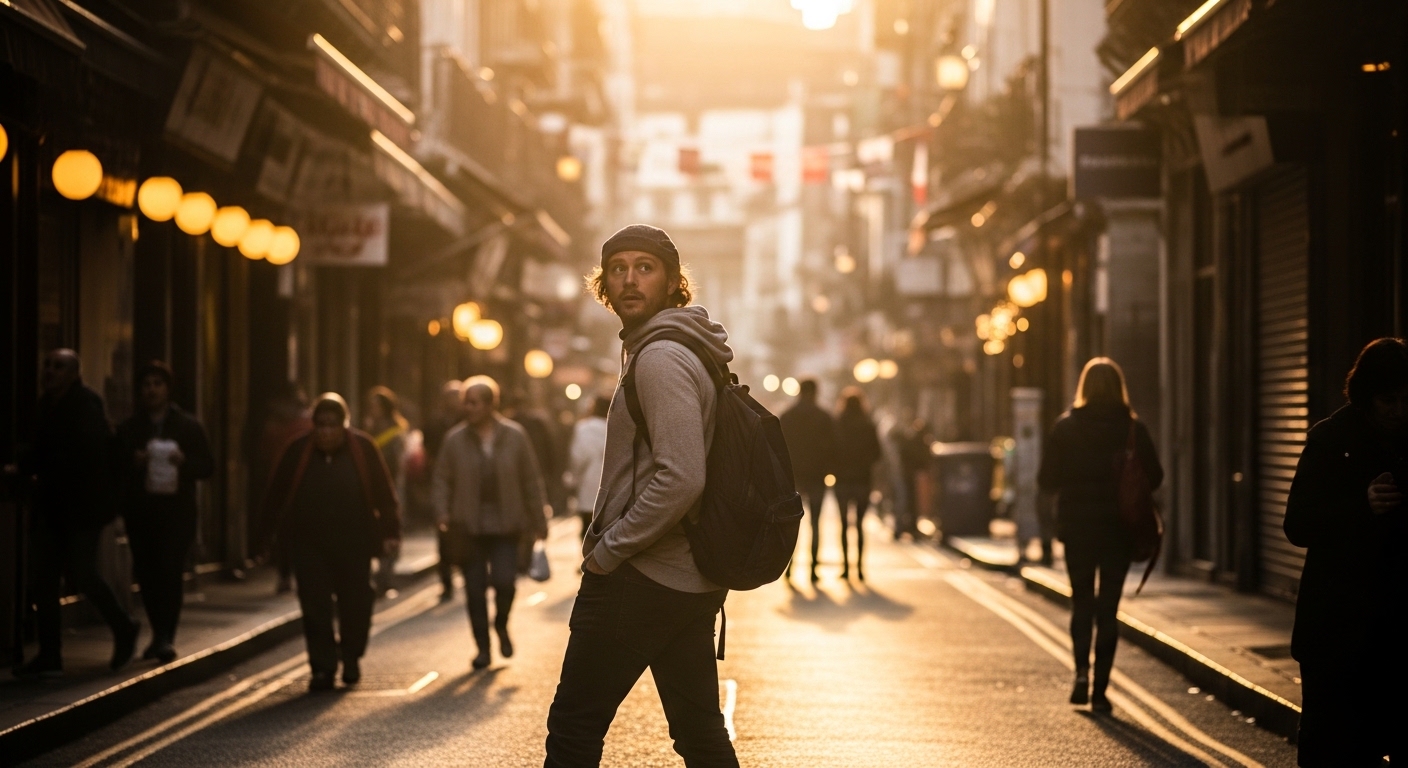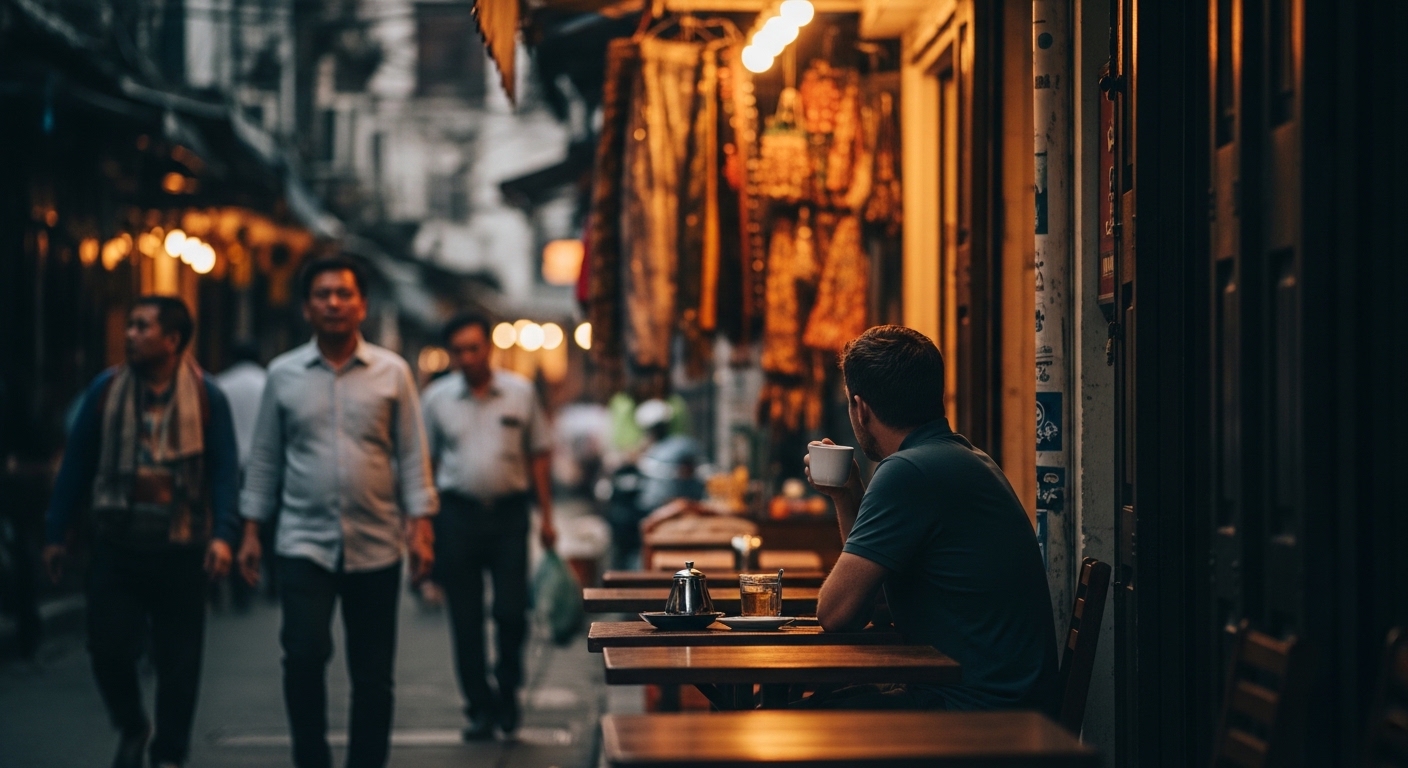










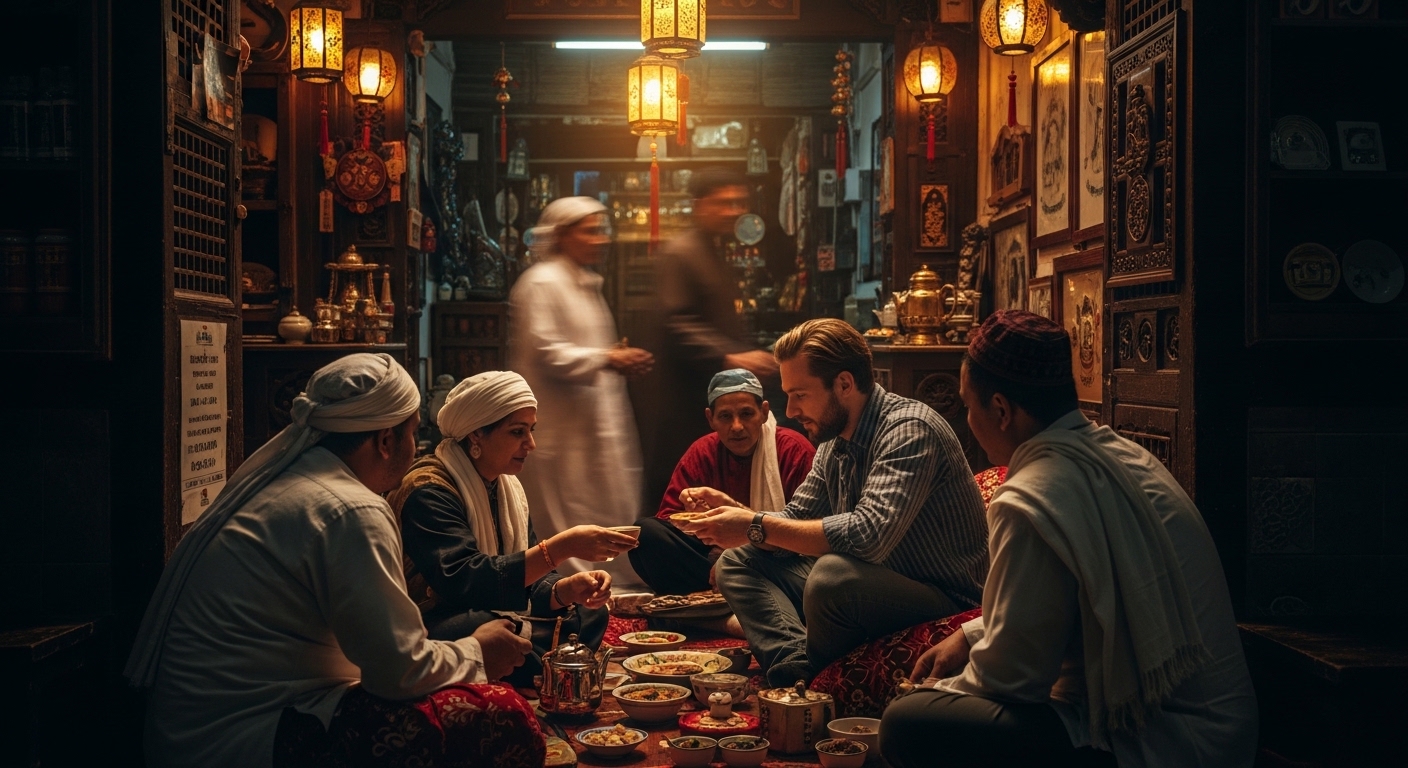
There’s a moment in travel when everything shifts.
You stop feeling like a visitor…
and start feeling like you’re part of something.
It doesn’t happen at landmarks.
It doesn’t happen on guided tours.
It happens when you step into the culture of a place—not just observe it.
Culture Isn’t What You See First
When you arrive somewhere new, the first things you notice are obvious.
Architecture.
Crowds.
Famous locations.
But culture doesn’t sit on the surface.
It’s quieter than that.
It lives in:
- daily routines
- small interactions
- unspoken habits
In a city like Istanbul, you can spend days exploring major sites. But the real culture reveals itself in the in-between moments—the way people sit together, the rhythm of conversations, the balance between tradition and modern life.
You don’t find that by looking.
You find it by paying attention.
Observation Is Only the First Step
Watching a place gives you an outline.
But it doesn’t give you depth.
You see what’s happening—but you don’t understand why.
That’s where most travel stops.
But experiencing culture requires one more step:
Participation.
Even in small ways.
Sitting where locals sit.
Trying things without overthinking.
Being present in shared spaces.
These aren’t big actions.
But they change how you experience everything.
The Language You Don’t Speak
One of the biggest barriers people feel is language.
They assume that without it, connection is limited.
But travel proves something different.
Understanding doesn’t always come from words.
It comes from:
- tone
- expression
- shared context
A simple interaction—ordering food, asking for help, exchanging a few words—can feel meaningful even without perfect communication.
Because what matters isn’t fluency.
It’s openness.
Food as a Cultural Experience
Food is one of the most direct ways to step into a culture.
But only if you approach it the right way.
It’s not about finding what’s popular.
It’s about noticing:
- how people eat
- when they eat
- what the atmosphere feels like
In places like Dubai, you’ll find everything—from high-end restaurants to small local spots. The difference isn’t just in the food. It’s in the experience around it.
The pace.
The environment.
The interaction.
That’s what gives it meaning.
Respect Creates Access
You can’t experience a culture without respecting it.
Not in a superficial way—but in how you carry yourself.
Simple things matter:
- observing how people behave
- adapting instead of imposing
- understanding boundaries
In a place like Makkah, respect isn’t optional. It’s essential. The environment carries a depth that requires awareness. And when you approach it with the right mindset, the experience becomes something far more meaningful than observation.
Respect opens doors.
Without it, you stay on the outside.
Slowing Down to Understand
Culture isn’t something you can “complete.”
It takes time.
If you move too quickly, you only catch fragments.
But when you slow down—even slightly—you start noticing patterns:
- how mornings feel different from evenings
- how spaces change depending on time
- how people interact in different settings
These patterns give you insight.
They help you understand not just what a place looks like—but how it functions.
Letting Go of Assumptions
One of the biggest barriers to experiencing culture is expectation.
We arrive with ideas:
- how things should be
- how people should act
- what we expect to find
But real understanding happens when those assumptions fade.
You stop comparing.
You start observing.
And in that shift, the experience becomes clearer.
Not filtered.
Not judged.
Just understood.
Why This Changes Travel
Once you start engaging with culture, travel feels different.
Places don’t feel interchangeable anymore.
Each one has its own identity.
Its own rhythm.
Its own way of being experienced.
You’re no longer moving through destinations.
You’re moving through environments that have depth.
And that depth is what stays with you.
Final Thought
You can visit a place and remember what it looked like.
Or you can experience its culture—and remember how it felt.
One fades.
The other stays.
Because when you truly experience a place, you don’t just pass through it.
You carry a part of it with you.