









There’s a difference between visiting a place…
and actually experiencing it.
Most people don’t realize it while they’re traveling. Everything feels new, everything feels exciting. But later, when the trip is over, something becomes clear.
Some memories stay vivid.
Others fade almost completely.
And the difference usually comes down to one thing:
Whether you experienced the place—or just saw it.
Seeing Is Passive. Experiencing Is Personal.
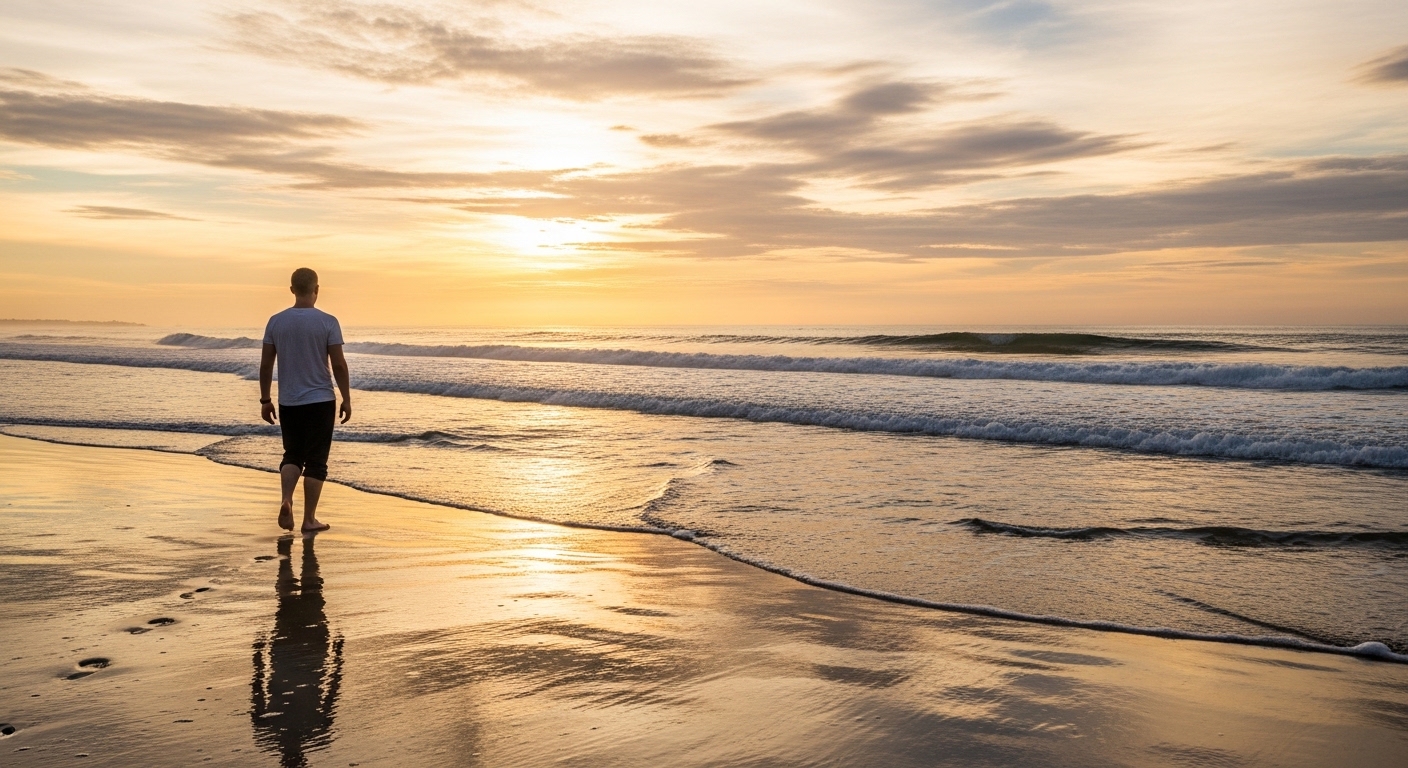
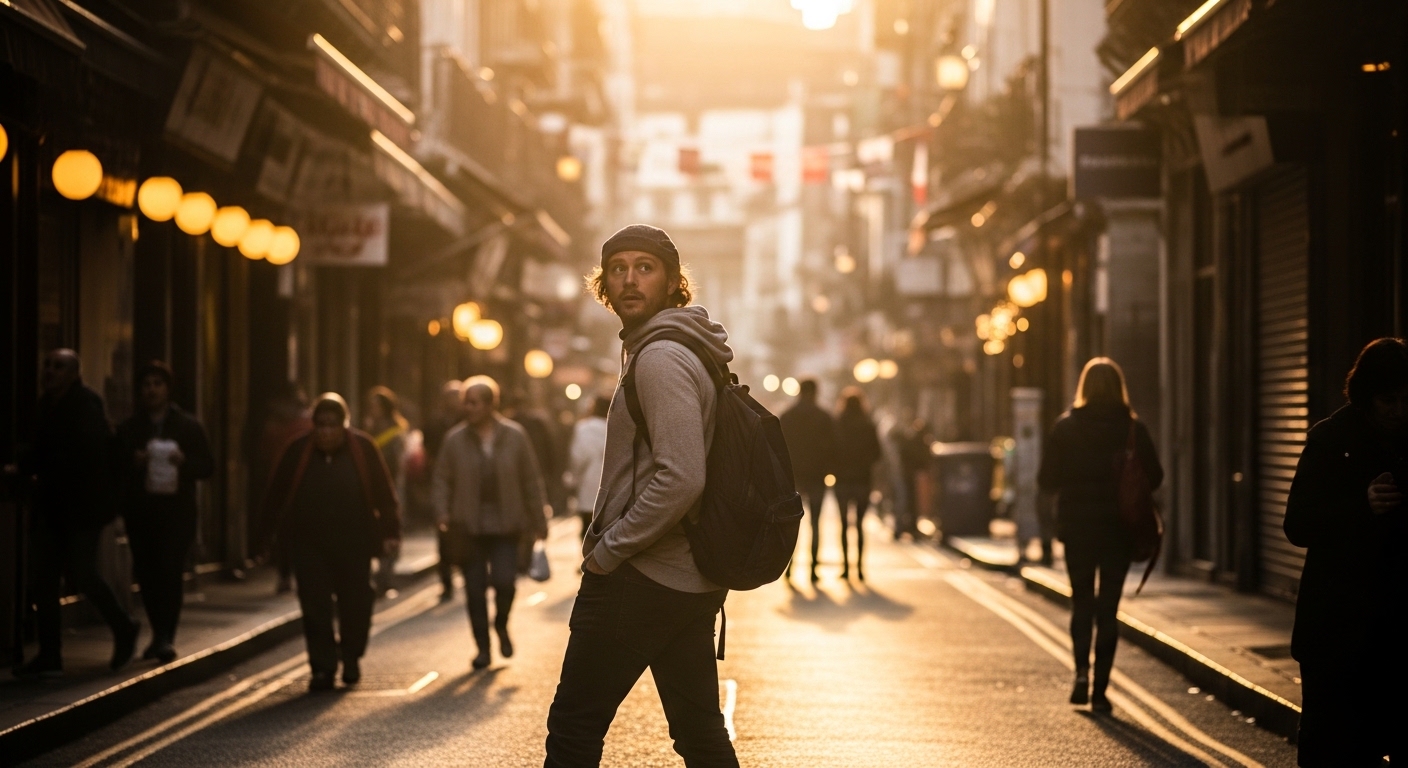
You can walk through a famous street, take photos, and say you’ve “been there.”
But that doesn’t mean you connected with it.
Experiencing a place means something else entirely.
It means:
- Sitting long enough to feel the environment
- Paying attention to the details people overlook
- Letting the place affect you, instead of just observing it
In cities like Istanbul, you can spend hours visiting landmarks. But the real experience often happens in smaller, quieter moments—the sound of distant calls echoing through the streets, the rhythm of people moving without urgency, the feeling of being somewhere layered with history.
You don’t “see” that.
You feel it.
The Senses Shape the Memory
Think about the places you remember most clearly.
It’s not just what they looked like.
It’s:
- The smell of food in the air
- The texture of streets under your feet
- The sound of conversations you couldn’t fully understand
These sensory details create depth.
Without them, a place becomes flat—just another image.
In a place like Makkah, the experience isn’t visual. It’s emotional, spiritual, and deeply atmospheric. The movement of people, the quiet intensity, the shared presence—it creates something that can’t be captured in a photo.
And that’s why it stays.
Food Is More Than Taste
One of the easiest ways to experience a place is through food.
But even here, most people stay on the surface.
They try dishes.
They take photos.
They move on.
But food is not just about taste.
It’s about:
- How it’s prepared
- Where it’s eaten
- Who you’re sharing it with
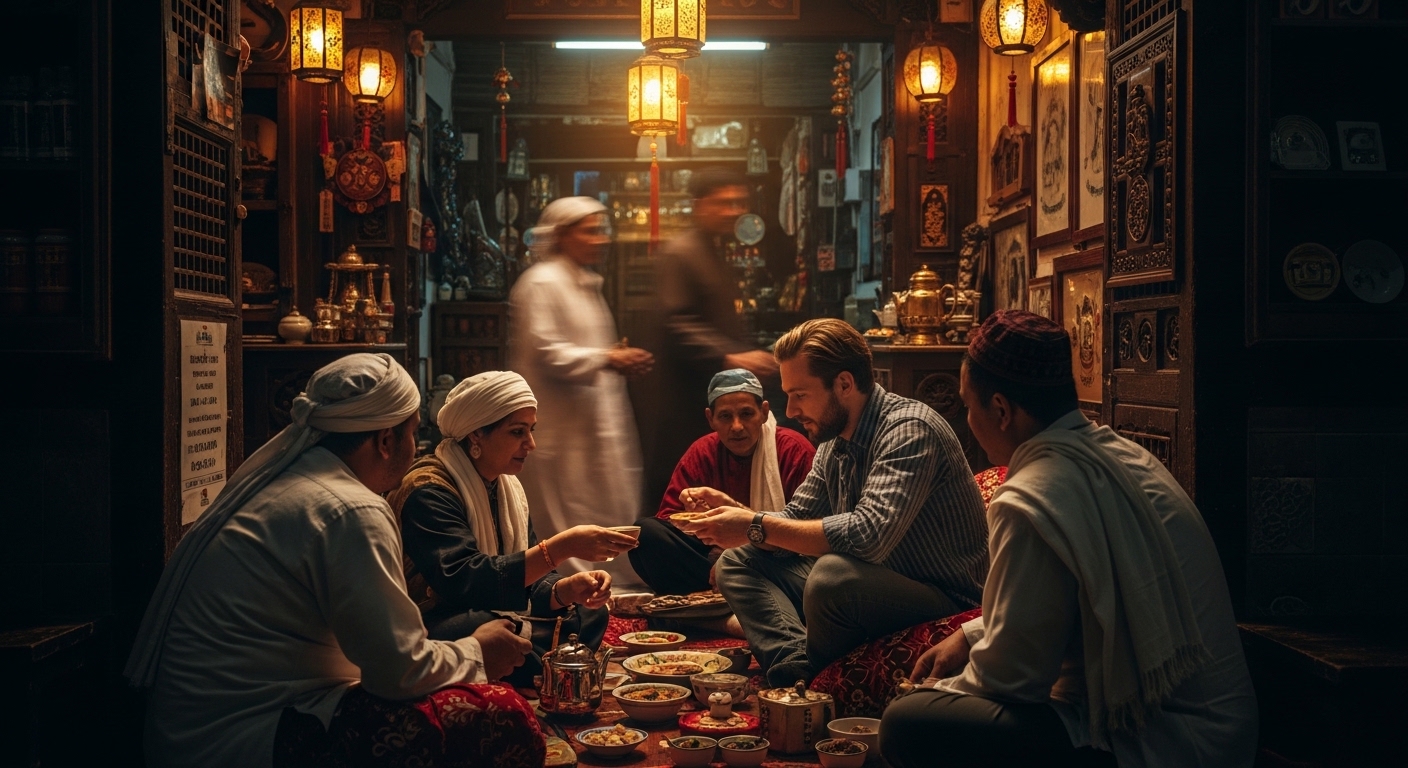
Eating in a small, local setting tells you more about a place than any curated restaurant ever will.
You notice how people sit, how they talk, how they take their time.
You’re not just consuming something.
You’re participating in a way of life.
Culture Lives in Everyday Moments
Tourism often highlights the biggest, most impressive parts of a place.
But culture doesn’t live there.
It lives in everyday routines.
The way someone opens a shop in the morning.
The way people greet each other in passing.
The way silence is respected—or not.
In cities like Dubai, it’s easy to focus on what’s visible—the scale, the development, the speed. But the real experience is quieter. It’s in how different cultures coexist, how traditions remain present beneath the modern surface.
If you only look at what’s obvious, you miss what’s real.
Participation Changes Everything
There’s a shift that happens when you stop being an observer and start participating.
It doesn’t have to be dramatic.
It can be as simple as:
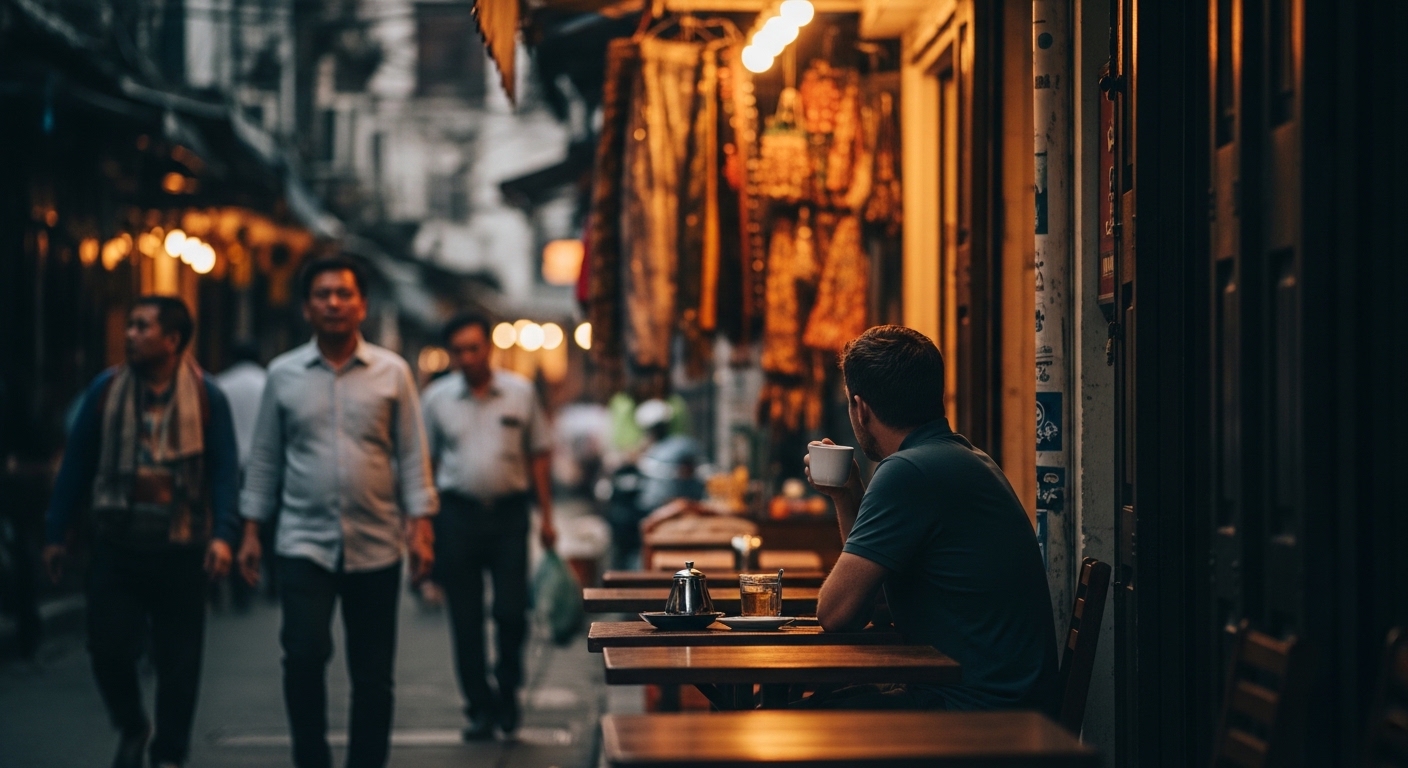
- Sitting where locals sit
- Walking instead of rushing
- Asking instead of assuming
These small actions pull you into the experience.
You’re no longer watching from the outside.
You’re part of it—even if just briefly.
Time Is What Makes It Meaningful
Experiences don’t happen instantly.
They need space.
If you’re constantly moving—checking the next location, thinking about the next plan—you don’t give moments time to settle.
You pass through them.
But when you stay a little longer than necessary, something changes.
You start to notice patterns.
You start to feel comfortable in unfamiliar spaces.
You stop reacting—and start absorbing.
That’s when a place becomes more than just a stop on your journey.
Not Everything Needs to Be Captured
There’s a habit in travel now—document everything.
Every view.
Every meal.
Every moment.
But capturing something is not the same as experiencing it.
In fact, it often creates distance.
You’re thinking about how it looks, instead of how it feels.
Some of the best travel experiences don’t translate into photos.
They’re quiet. Subtle. Personal.
And that’s exactly why they matter.
Why Experiences Stay
At the end of any journey, what remains isn’t the checklist.
It’s the moments that felt real.
The ones where:
- You were fully present
- You noticed something new
- You connected, even briefly
These experiences don’t fade because they weren’t surface-level.
They had depth.
Final Thought
Travel will always offer places to see.
But the real value is in what you experience.
Not what you document.
Not what you complete.
But what you allow yourself to feel.
Because in the end, the places you truly experience don’t just stay in your memory.
They become part of you.