








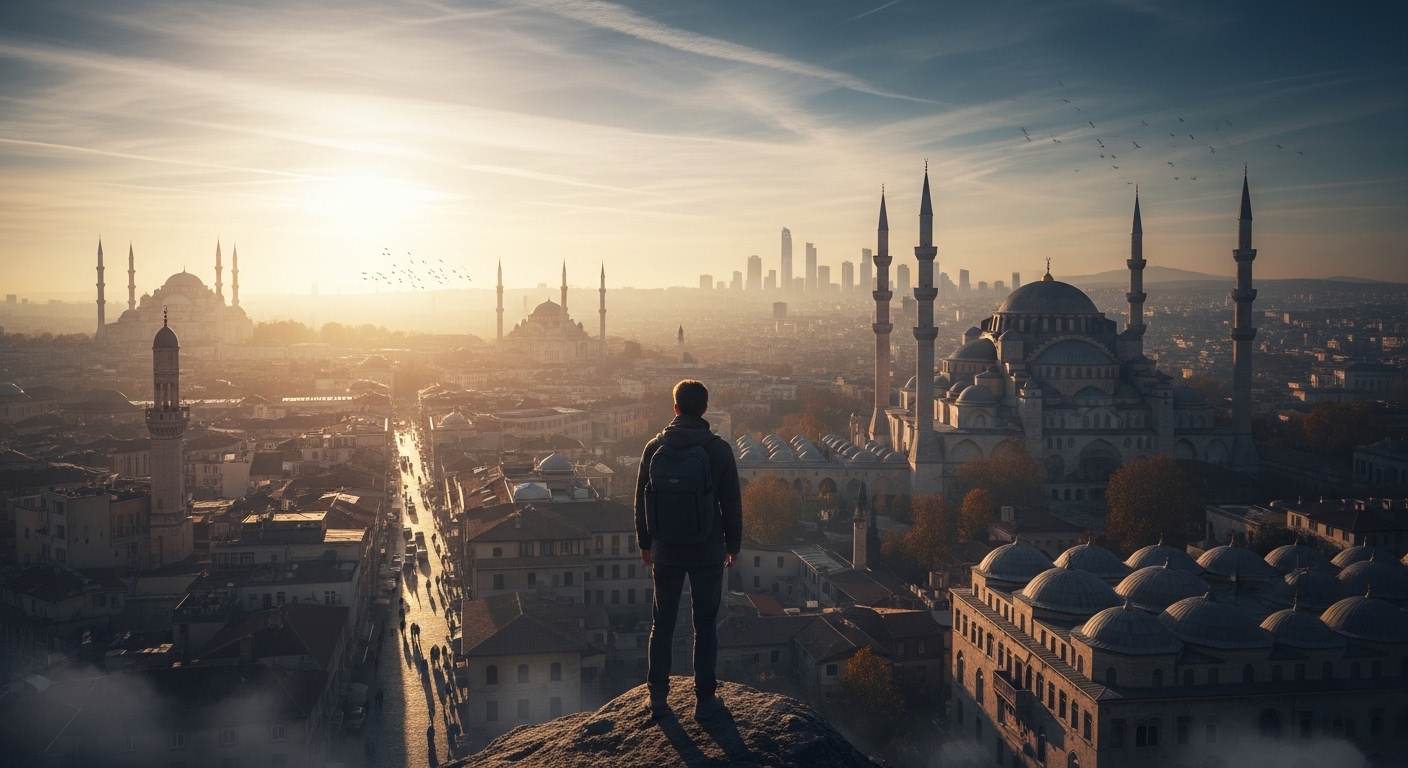
There’s a quiet misconception that sits at the center of modern tourism: that travel is about ticking off destinations.
Visit the landmark. Take the photo. Move on.
But anyone who has actually felt travel—not just done it—knows that this mindset misses the point entirely.
Travel is not about places. It’s about perspective.
And once that clicks, everything changes.
The Difference Between Visiting and Experiencing
Most people travel like observers. They arrive, look around, capture a few images, and leave. The place becomes a backdrop, nothing more.
But real travel begins when you stop observing and start engaging.
It’s the difference between standing in a crowded square in Makkah and actually feeling the weight of history, faith, and millions of lives intersecting in one moment.
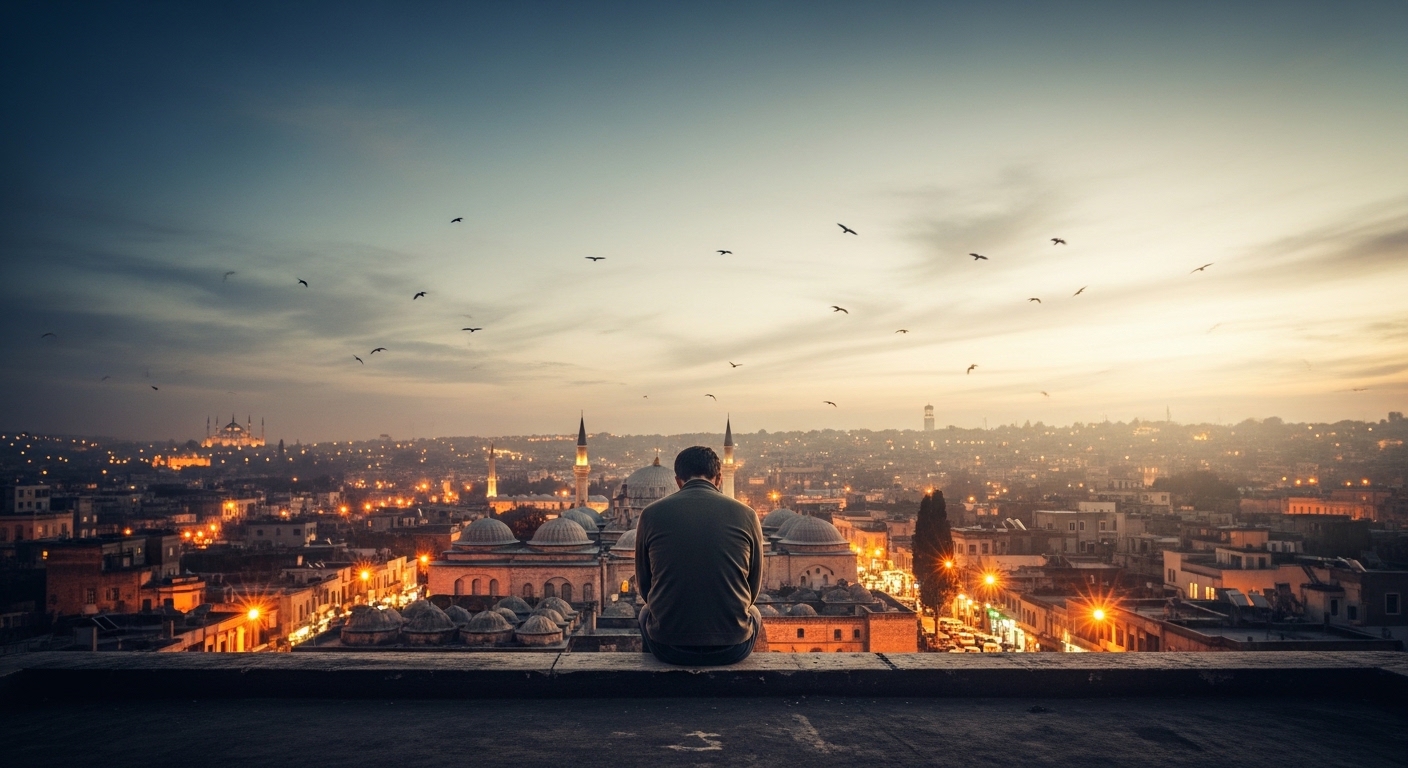
It’s the difference between walking through the streets of Istanbul and understanding how continents, cultures, and centuries collide in a single city.
When you shift from “What can I see here?” to “What does this place mean?”, travel stops being surface-level.
Slowing Down Is the Real Luxury
Here’s something most travel blogs won’t tell you: trying to see everything is the fastest way to experience nothing.
The obsession with itineraries—“Top 10 things to do in 24 hours”—creates pressure. You rush. You skim. You leave exhausted, not fulfilled.
The real luxury in travel isn’t five-star hotels. It’s time.
Time to sit in a quiet corner café.
Time to watch how locals interact.
Time to notice details that don’t show up in guides.
In places like Madinah, the atmosphere itself invites you to slow down. There’s a calmness in the air, a rhythm that isn’t rushed. If you try to force speed into a place like that, you miss what makes it special.
Slowing down isn’t inefficient. It’s the entire point.
Culture Isn’t a Performance
Tourism often turns culture into something staged—something to watch rather than understand.
But culture isn’t a show. It’s a lived experience.
You see it in small things:
- How people greet each other
- The way food is prepared and shared
- The unspoken rules of public spaces
In cities like Dubai, you’ll see a blend of modern ambition and deep-rooted tradition. It’s easy to focus on the skyline. It takes more awareness to notice how cultural identity still shapes daily life beneath the surface.
Respecting a place means going beyond what’s visible.
It means asking:
- Why do people do things this way?
- What values shape this environment?
That curiosity is what turns a trip into something meaningful.
The Power of Being Uncomfortable
Comfort is predictable. Travel shouldn’t be.
Some of the most defining moments happen when things don’t go as planned:
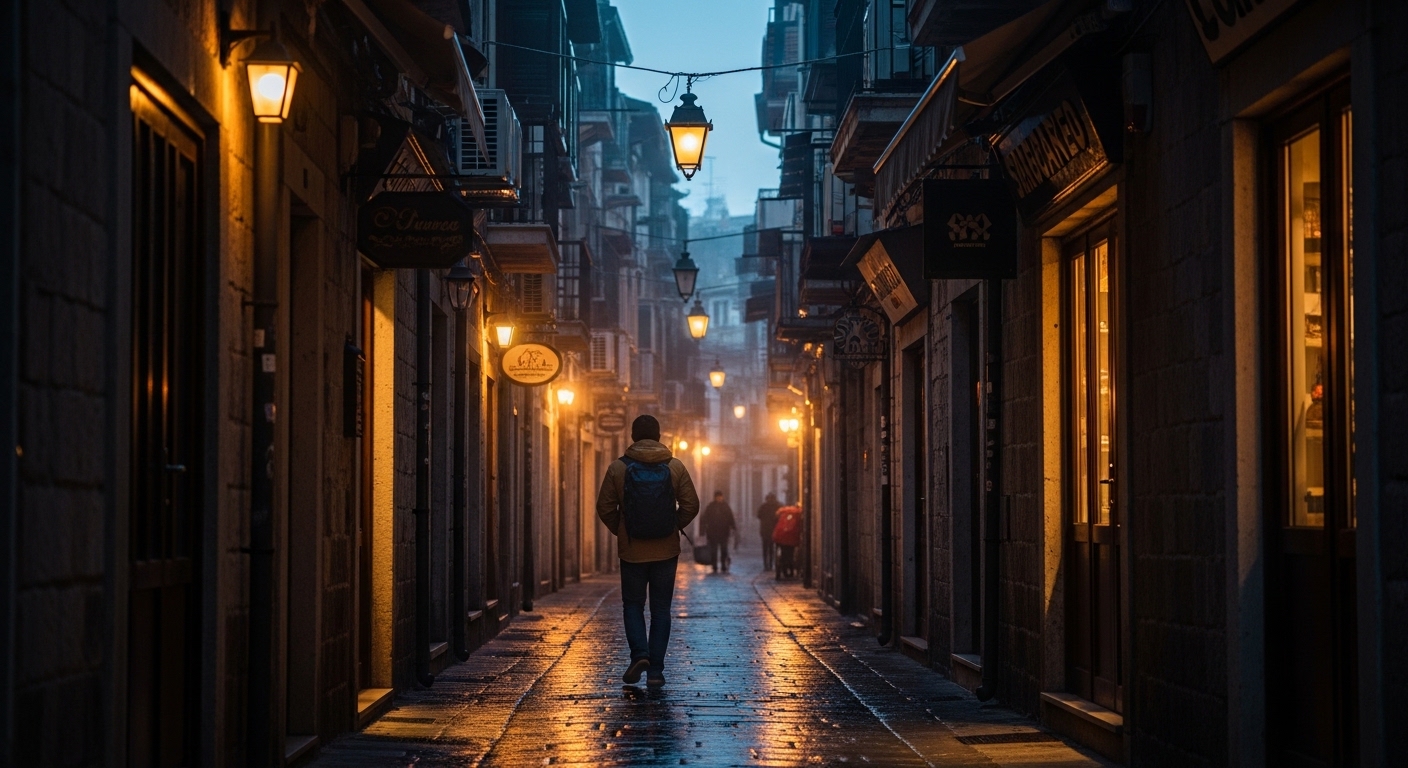
- Getting lost in unfamiliar streets
- Struggling to communicate
- Navigating situations outside your routine
These moments force you to adapt. And in that process, you learn more about yourself than the destination.
There’s a reason people return from travel saying they’ve “changed.”
It’s not because of what they saw.
It’s because of what they had to figure out along the way.
Discomfort is not a flaw in travel. It’s one of its strongest benefits.
People Make the Place
No landmark, no view, no architecture can match the impact of human connection.
A short conversation with a local can give you more insight than hours of sightseeing.
It might be:
- A shopkeeper sharing a story
- A stranger offering directions
- A guide explaining something you would never notice on your own
These interactions add depth. They transform a place from something you saw into something you experienced.
Travel becomes less about geography and more about humanity.
Travel Changes How You See Home
This is the part no one talks about enough.
The real impact of travel doesn’t stay in the destination—it follows you back.
You start noticing things differently:
- Your routines
- Your environment
- Your assumptions
Exposure to different ways of living challenges what you consider “normal.”
And that’s powerful.
Because once your perspective expands, it doesn’t shrink back.
Why This Matters
In a world where travel is increasingly fast, curated, and filtered through screens, it’s easy to lose the essence of it.
But meaningful travel isn’t complicated.
It’s built on a few simple shifts:
- Slow down
- Stay curious
- Engage with people
- Respect the culture
- Accept discomfort
That’s it.
No complicated formula. No perfect itinerary.
Just a different way of approaching the same journey.
Final Thought
You can visit ten countries and come back unchanged.
Or you can visit one place and see the world differently.
The difference isn’t the destination.
It’s how you choose to experience it.