









There’s a quiet irony in modern travel.
We plan everything.
Flights, hotels, routes, restaurants—every hour mapped out before we even arrive. The goal is efficiency. To “make the most” of the trip.
But somewhere in that process, something important gets lost.
Spontaneity.
And with it, the possibility of discovering something real.
The Illusion of Control
Planning gives a sense of security. You know where you’re going, what you’ll see, how long you’ll stay.
But travel doesn’t work well when it’s controlled too tightly.
Because the most meaningful parts of any journey rarely happen on schedule.
They happen in between.
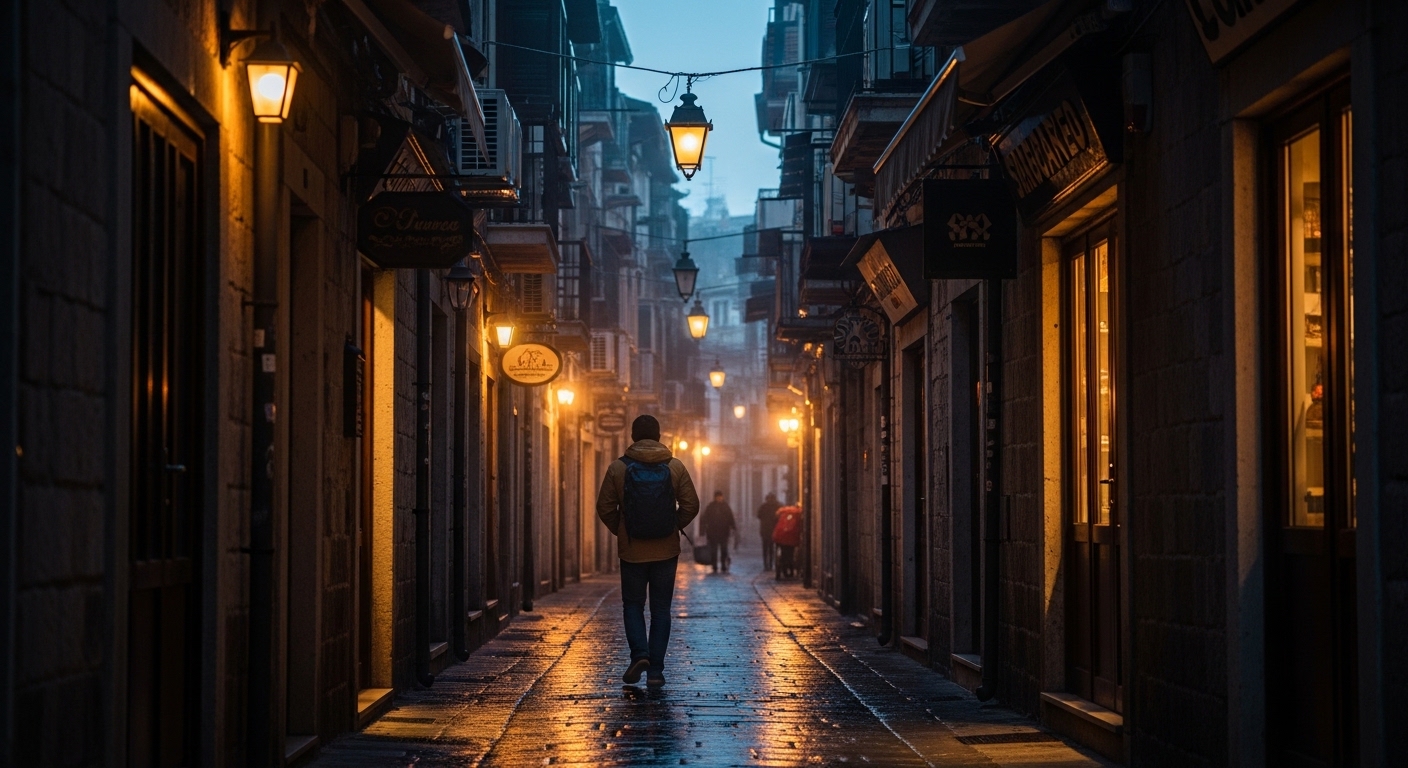
In the wrong turn that leads to a quiet street.
In the missed bus that forces you to slow down.
In the unexpected moment that wasn’t part of the plan.
The more you try to control travel, the more you limit it.
Getting Lost Isn’t a Problem
We treat getting lost like a failure.
It’s not.
It’s one of the few moments where you’re fully engaged with your surroundings.
You start noticing things differently:
- The way streets connect
- The sounds of a neighborhood
- The rhythm of people moving around you
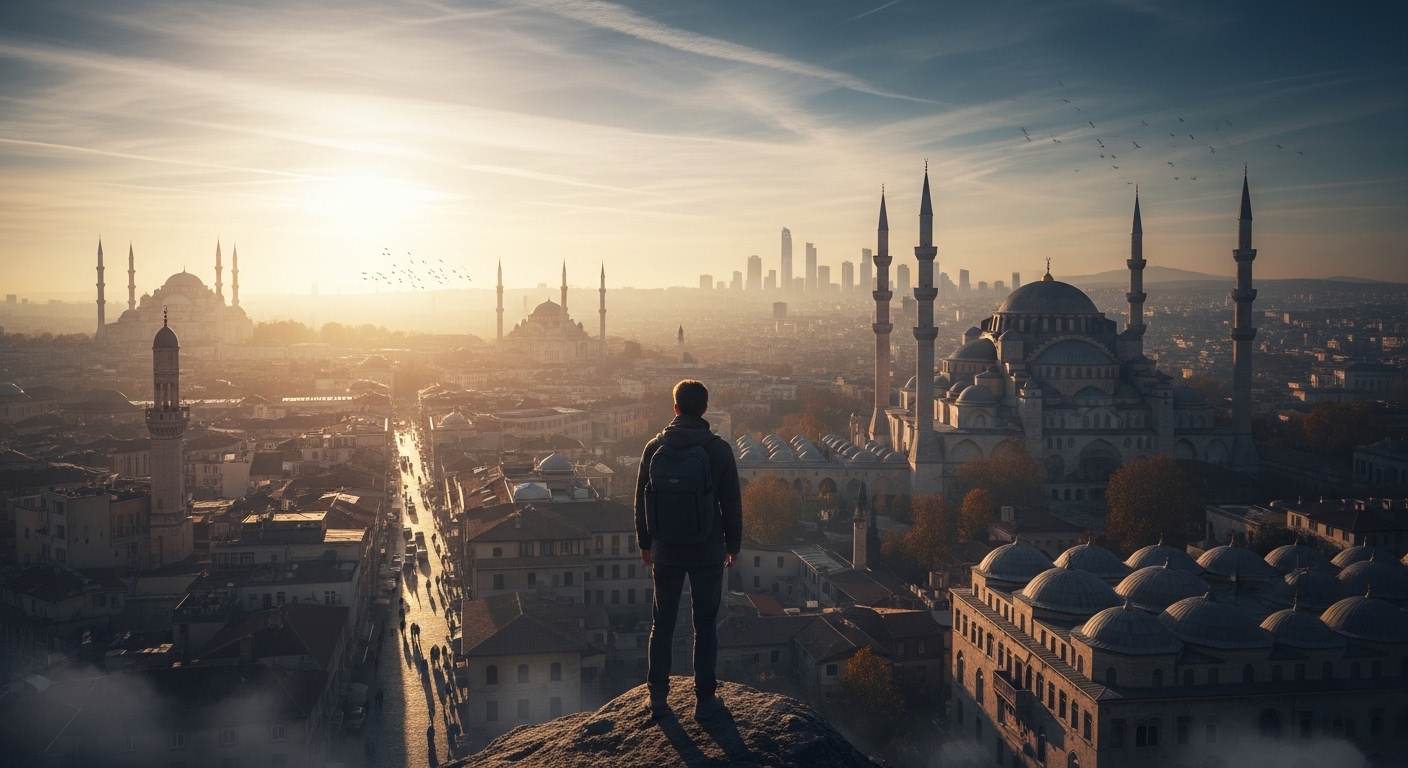
In a place like Istanbul, getting lost isn’t inconvenient—it’s an experience in itself. The city unfolds in layers. One street feels completely different from the next. And the more you wander, the more you understand how it breathes.
You don’t get that from a map.
The Unexpected Feels More Real
There’s a reason unplanned moments feel stronger.
They’re not filtered.
When you walk into a place you didn’t expect, there’s no checklist. No comparison to what you “should” be seeing.
It’s just you and the moment.
Maybe it’s a small café you didn’t plan to visit.
Maybe it’s a quiet corner where nothing is happening—and yet it feels peaceful.
These are the moments that don’t try to impress you.
And because of that, they stay.
When Plans Fall Apart
Every traveler has that moment.
Something goes wrong.
A delay.
A change.
A plan that simply doesn’t work out.
At first, it feels frustrating. You feel like you’re losing time.
But often, that’s where the trip actually begins.
You adapt.
You adjust.
You let go of what you expected—and start paying attention to what’s in front of you.
That shift changes everything.
What felt like a disruption becomes an opening.
Presence Over Perfection
There’s a pressure in travel to make everything perfect.
Perfect photos.
Perfect locations.
Perfect timing.
But perfection creates distance.
You’re not experiencing the moment—you’re trying to capture it.
When you stop chasing perfection, you start noticing things as they are.
The imperfect details.
The small irregularities.
The quiet beauty that doesn’t need to be documented.
In cities like Dubai, it’s easy to focus only on what stands out—the scale, the architecture, the speed. But if you look closer, there’s another layer. A slower, more human side that doesn’t demand attention but rewards it.
That’s where real experience lives.
Trusting the Process
Letting go of control doesn’t mean being careless.
It means allowing space for things to happen.
You still plan the essentials.
You still move with awareness.
But you leave room.
Room to change direction.
Room to pause.
Room to follow something that catches your attention.
Travel becomes less rigid, more fluid.
And that flexibility opens doors you didn’t even know existed.
The Value of Wandering
There’s something deeply human about wandering without a fixed goal.
No destination.
No urgency.
Just movement.
It brings you closer to how places are actually lived—not how they’re presented.
In a city like Madinah, wandering feels different. There’s a calmness to it. You’re not rushing to get somewhere. You’re simply moving through a space that already has its own rhythm.
And when you align with that rhythm, even for a short time, the experience becomes more meaningful.
What You Gain When You Let Go
When you stop controlling every detail, you gain something more valuable:
Awareness.
You start noticing:
- How people interact
- How spaces feel at different times
- How your own mindset shifts in unfamiliar environments
You become part of the place, even if just briefly.
Not just someone passing through.
Why This Matters
Travel isn’t meant to be efficient.
It’s not a task to complete.
It’s an experience to move through.
And the more you allow it to be unpredictable, the more it gives back.
Not always in obvious ways.
Not always immediately.
But in ways that stay.
Final Thought
You can follow every plan and still miss the journey.
Or you can lose your way—and find something you didn’t expect.
Not a place.
But a moment.
And sometimes, that’s enough.