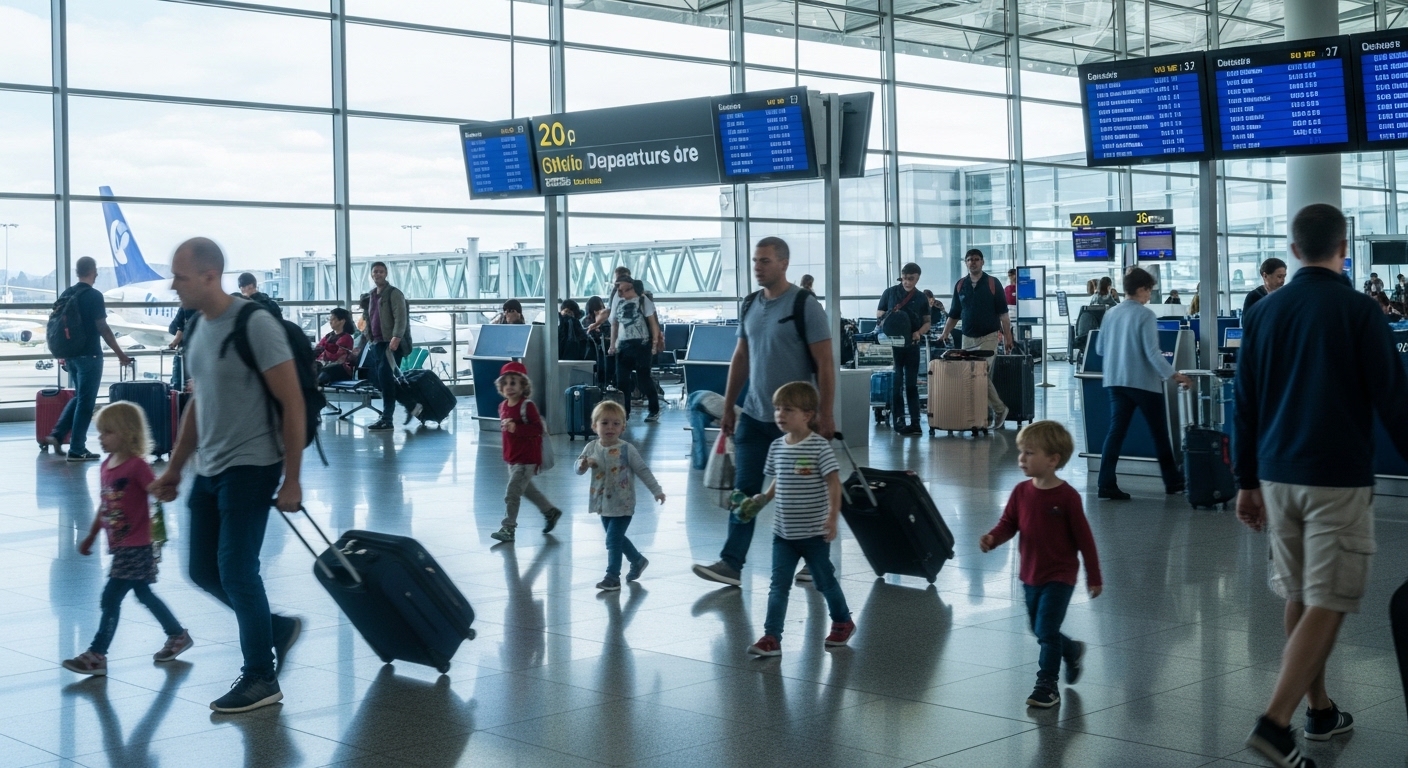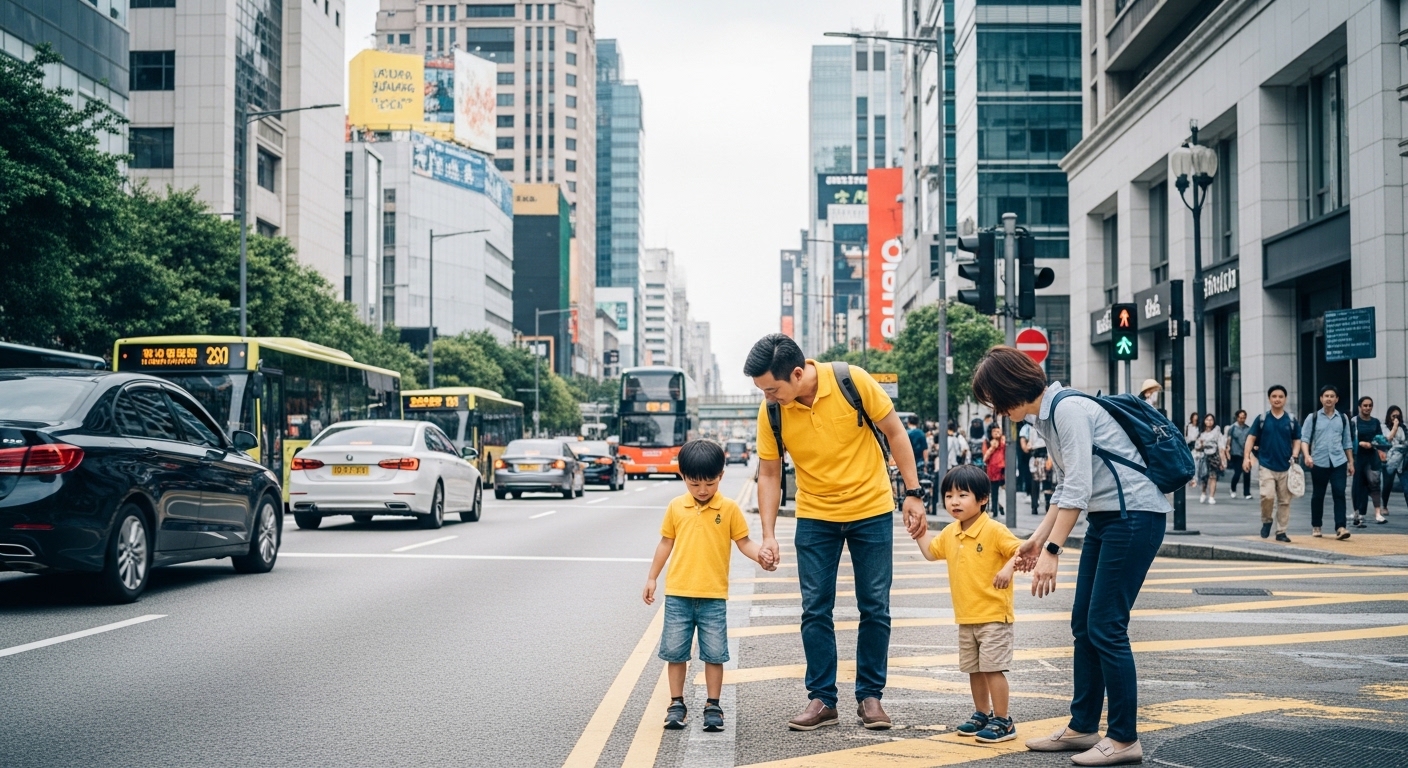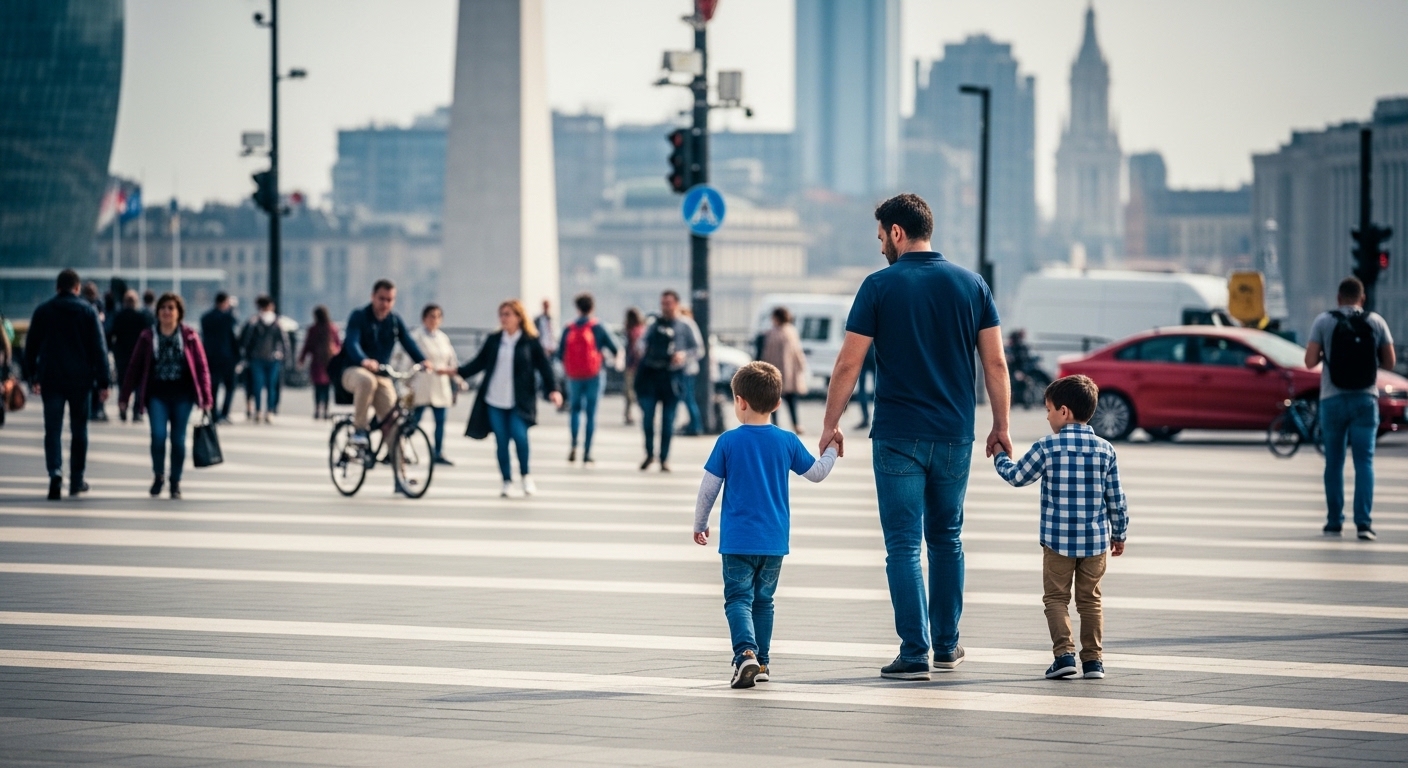











Traveling with kids isn’t about control.
But it’s also not about letting everything fall apart.
The real skill sits somewhere in between.
Because if you try to control everything, the trip becomes stressful.
If you let everything go, it becomes chaotic.
So the goal isn’t perfection.
It’s balance.
Kids Don’t Need More—They Need Better
A common mistake parents make while traveling is overcompensating.
More activities.
More attractions.
More entertainment.
But kids don’t actually need more.
They need the right kind of engagement.
Something simple but interesting.
Something new but not overwhelming.
In cities like Dubai, there’s no shortage of things to do. But trying to do too much creates fatigue—not excitement.
The smarter move is to pick fewer things—and let them experience those fully.
Structure Helps—But Only Lightly
Kids benefit from structure.
But only to a point.
A completely unplanned day feels messy.
A tightly planned day feels exhausting.
So instead of building a full schedule, create a loose framework:
- one main activity
- one backup option
- open time in between
This gives direction without pressure.
In a place like Istanbul, this approach works well. You can explore a key area, then leave room for wandering or resting without feeling like you’re missing something.
Movement Is Part of the Experience
Kids don’t enjoy standing still for long.
Waiting in lines.
Long tours.
Slow activities.
That’s where things break down.
Instead, choose experiences that allow movement:
- open spaces
- walking routes
- interactive environments
Even a simple walk can feel engaging if the environment has enough life in it.
Kids don’t need constant stimulation.
They need the ability to move freely.
Transitions Are Where Problems Start
Most issues don’t happen during activities.
They happen between them.
Leaving one place.
Heading to another.
Waiting for something to begin.
That’s where kids lose patience.
So the key is to manage transitions better:
- keep them short
- keep them clear
- avoid stacking too many back-to-back
This reduces friction without needing to change the entire plan.
Give Kids Small Control
One simple trick makes a big difference:
Let kids make small decisions.
Not big ones.
Just small choices:
- where to sit
- what to eat (within limits)
- which direction to walk next
This gives them a sense of involvement.
And when kids feel involved, they resist less.
You’re still guiding the trip—but they feel part of it.
Know When to Stop
There’s always a moment when you can feel things starting to slip.
Energy drops.
Focus disappears.
Mood changes.
That’s the point where most parents try to push a little more.
That’s the mistake.
The smarter move is to stop early.
Take a break.
Sit somewhere.
Reset.
In calm environments like Madinah, this happens naturally because the pace is slower. But in faster cities, you have to make that decision intentionally.
Stopping early prevents bigger problems later.
Keep It Simple
The more complicated the plan, the harder it is to manage.
So simplify wherever possible:
- fewer locations
- easier routes
- accessible places
You’re not reducing the experience.
You’re making it smoother.
And smooth travel feels better than packed travel.
Kids Mirror Your Energy
One thing most people underestimate:
Kids respond to your state.
If you’re stressed → they feel it
If you’re relaxed → they settle faster
So managing yourself matters just as much as managing the trip.
You don’t need to react to every small issue.
Sometimes staying calm is enough to bring things back into balance.
What Makes It Work
A good family trip doesn’t come from perfect planning.
It comes from:
- realistic expectations
- flexible decisions
- simple structure
And most importantly—
Understanding that kids experience travel differently.
Once you adjust to that, everything starts to align.
Final Thought
Traveling with kids isn’t about doing more.
It’s about doing things better.
Slower.
Simpler.
Smarter.
Because when the experience works for them…
It works for you too.